
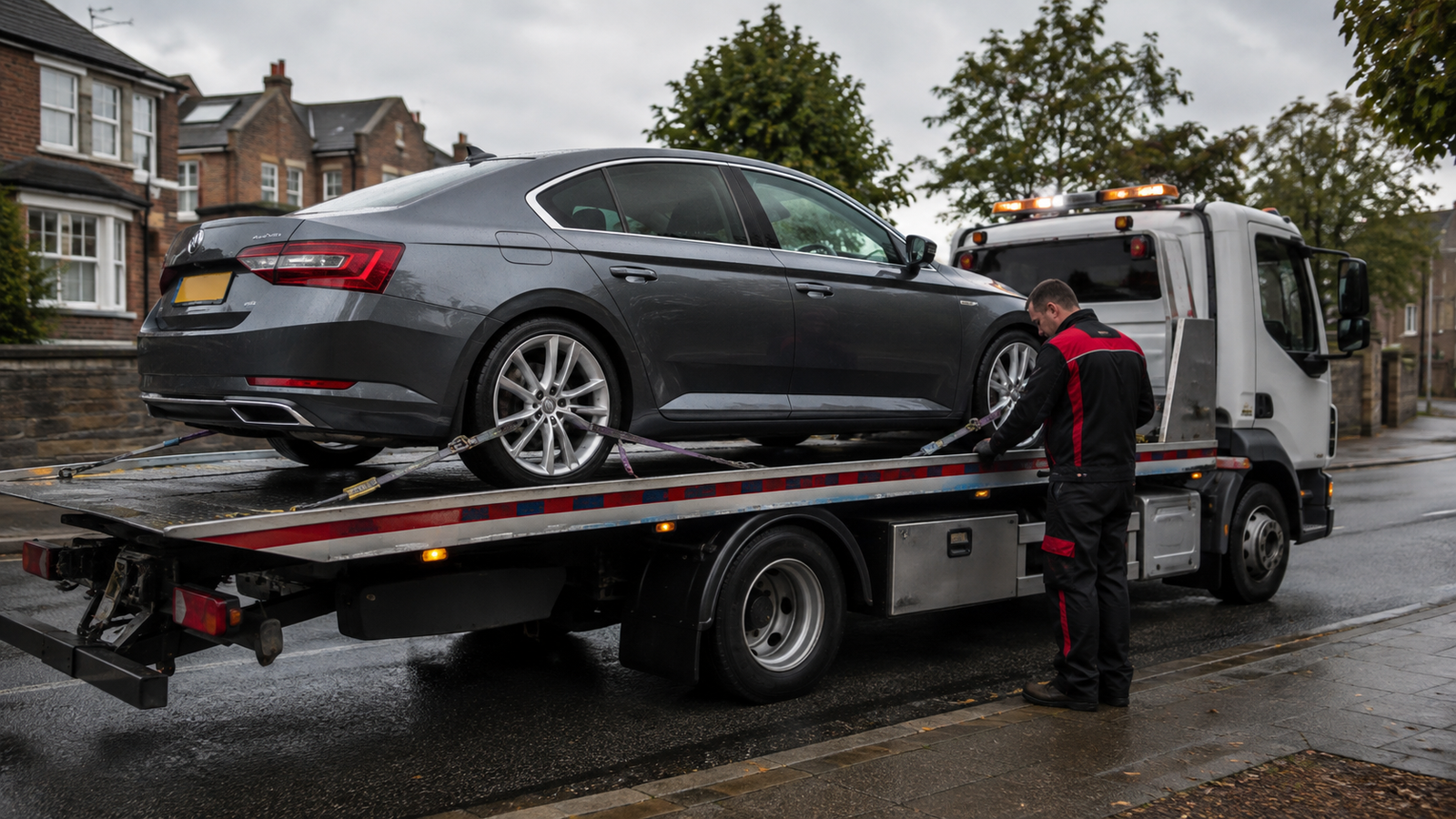
Car recovery is often associated with roadside breakdowns, but vehicles need transportation for many other reasons.
You may have purchased a non-running car, need a vehicle moved between garages or simply need transportation for a car that should not be driven on public roads.
Professional car recovery provides a practical way to move the vehicle without relying on it being driven to its destination.
What Is Car Recovery?
Car recovery involves collecting a vehicle from one location and transporting it to another agreed location.
The vehicle may be:
- Running
- Non-running
- Awaiting repair
- Accident damaged
- Recently purchased
- Located at a garage
- Located at a residential address
The transportation requirement depends on the vehicle’s condition and collection environment.
Common Reasons People Need Car Recovery
Transporting a Non-Running Vehicle
Vehicles that cannot start or move normally may need to be transported rather than driven.
Moving a Vehicle to a Garage
If mechanical repair is required, recovery can transport the vehicle to your preferred workshop.
Home Collection
Vehicles can sometimes need collection directly from a residential location.
Moving a Recently Purchased Vehicle
A newly purchased vehicle may require transportation before it is ready to be driven.
Moving Vehicles Between Locations
Garages, dealers, businesses and private owners can all require vehicle transport from one location to another.
What Information Is Needed for Car Recovery?
Collection Postcode
Provide the exact pickup location.
Destination Postcode
Tell the recovery provider where the vehicle needs to go.
Vehicle Make and Model
Vehicle size and type are relevant when understanding transportation requirements.
Vehicle Condition
Explain:
- Whether it starts
- Whether it drives
- Whether it rolls
- Whether it has damage
- Whether tyres are usable
- Whether access is restricted
Providing accurate information helps avoid unnecessary complications during collection.
Why Careful Vehicle Handling Matters
Recovery is not simply about moving a vehicle.
The loading, securing and transportation process should be carried out responsibly.
Vehicles need to remain appropriately positioned during transportation and handled carefully throughout collection and delivery.
This is particularly important for valuable vehicles, damaged cars or vehicles that cannot move normally.
Local and Longer-Distance Car Recovery
Not every vehicle needs to be moved within the same neighbourhood.
Some transportation requirements involve moving cars across London, while others involve considerably longer journeys.
AutoHub Recovery primarily supports London and surrounding locations, while longer-distance vehicle transportation can also be discussed.
How the Car Recovery Process Works
1. Provide the Collection Location
Send the exact postcode or location of the vehicle.
2. Send Vehicle Information
Provide the make, model and condition.
3. Confirm the Destination
Provide the address or postcode where the vehicle should be transported.
4. Arrange Collection and Transportation
Once the requirement has been understood, the appropriate transportation can be arranged.
Frequently Asked Questions About Car Recovery
Does the Vehicle Need to Be Running?
No. Car recovery is often used specifically because a vehicle cannot be driven.
Can a Vehicle Be Collected From My Home?
Residential collections can be discussed depending on access and the recovery requirement.
Can You Transport a Car to My Garage?
A vehicle can be transported to an agreed garage, workshop or other suitable destination.
Is Car Recovery Only for Breakdown Situations?
No. Recovery may also be used for planned vehicle transportation, garage transfers, purchased vehicles and other collection requirements.
Need Car Recovery Across London?
Whether you need to move a broken-down vehicle, non-running car or another vehicle that requires transportation, contact AutoHub Recovery with the collection postcode, destination postcode and vehicle details.